With all the calamities that is currently happening, how far do you think are everyone’s knowledge for preparedness and safety? How far does YOUR knowledge for preparedness and safety program reach? What scenarios are considered in your emergency preparedness planning? With all the emergencies everywhere, How can we prepare for it all?
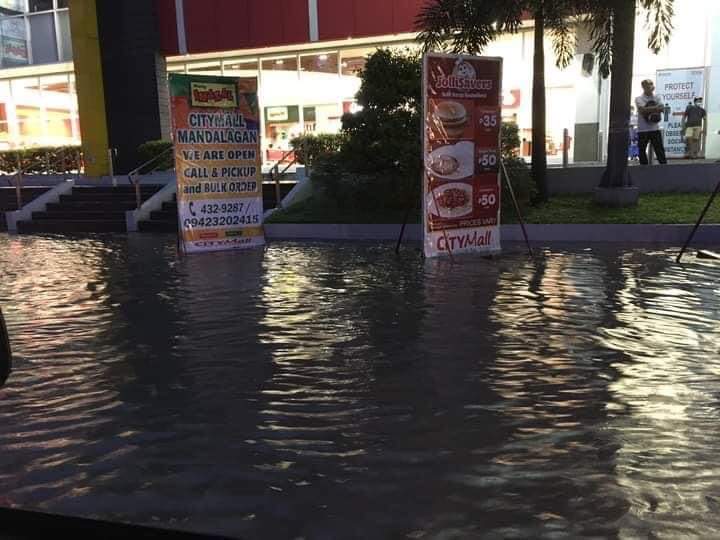
This year had been hard for the Philippines. Other than the pandemic that affected the whole world, other several natural disasters had also hit us causing a very big problem for our safety. As we all knew, most major incidents that happened was caused by flooding. Example: The very recent Typhoon Rolly, Typhoon Ulysses, and even the Magat Dam incident. As of writing, Our city had also caught a quite heavy rain that caused major roads to flood, and with the heavy downpour, what could be the possible threat that we could get from the water?
Date: December 2, 2020
Of course, it’s the infectious diseases.
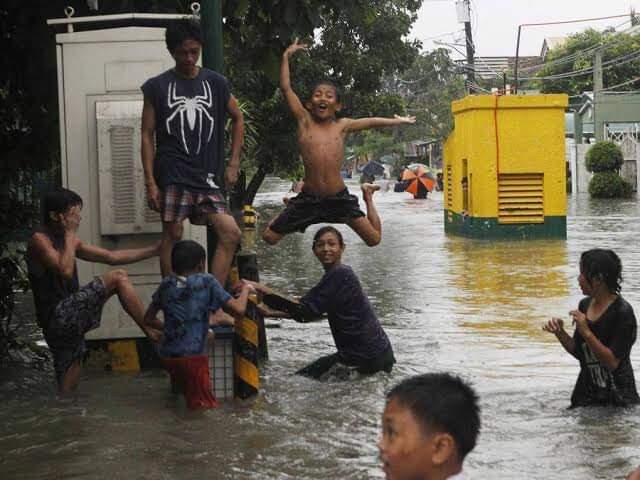
Based on what we noticed, after only minutes of downpour, the streets in most areas here in the Philippines would instantly look like filthy rivers that is obviously clogged with waste, and since a lot would usually go out in the floodwaters barefoot, as well as the children would often swim in the flooded streets, the transmission for the infection or disease could be really easy especially if one has an open wound.

We are all aware of Leptospirosis, which is usually transmitted to humans through rats and their urine, but other than that, the bacteria in the floodwater can also infect people by entering the body through skin abrasions and cuts. The Infection could cause influenza-like symptoms, usually with fever and even headache. In most cases, if the infection could be detected early, it can be treated with antibiotics, but there are severe cases that can lead to renal failure and even death in some instance.
Flood affected areas is the home of many diseases — be it water-borne diseases like typhoid, cholera, leptospirosis, and conjunctivitis, or vector-borne diseases including malaria and dengue. Flooding has a significant and large-scale effects on health, spanning the short and long terms and ranging from drowning and injuries to infectious diseases.
The presence of infectious diseases for floods in the Philippines has been long known, but not much preventive measures are taken. With the more frequent and extreme rainfall that is projected, it could possibly result in more floods. With greater intensity and various types, it can potentially increase the transmission of communicable diseases.
Now, what can we do to be prepared with all these?
Disasters, Emergencies, Accidents, and Injuries come in all different shapes and sizes. We often hear about preparedness in the context of natural disasters and infectious disease outbreaks, but preparedness is also about getting your dog for vaccine every year, wearing your seatbelt when you drive, and even knowing how to help if someone you know has a hard time breathing.
Preparedness simply means a state of readiness, in which a set of actions are taken as precautionary measures in the face of potential disasters, and this is important in avoiding negative outcomes to happen.
Now, we know that trying to prepare for every possibility in any emergency can look really impossible, but we can be knowledgeable about preparing for the catastrophe and the urgent situations that we would most likely experience.
Since Leptospirosis is the most common infectious disease that we could get in a flood, here are some ways to prepare and avoid the risk of getting one:
• If you are aware that you will be approaching a flood, cover cuts or any open wound with waterproof bandages or any other coverings that could prevent the water from going in.
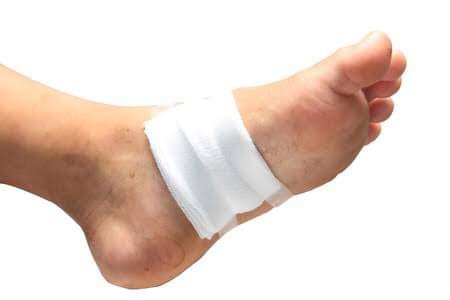
• Wear waterproof protective clothing, especially shoes or boots near floodwater that may be contaminated with animal urine.
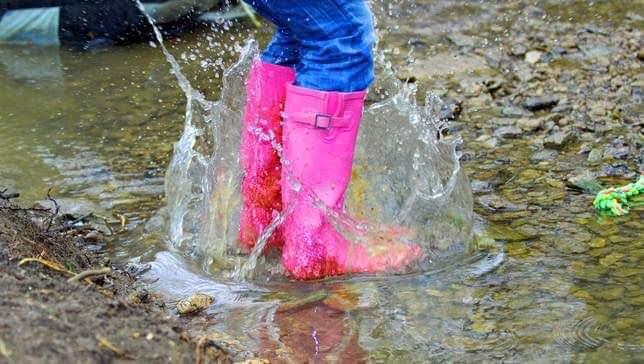
• Do not swim or submerse your head in, or swallow any floodwater source that may contain animal urine or be contaminated by floodwater runoff.
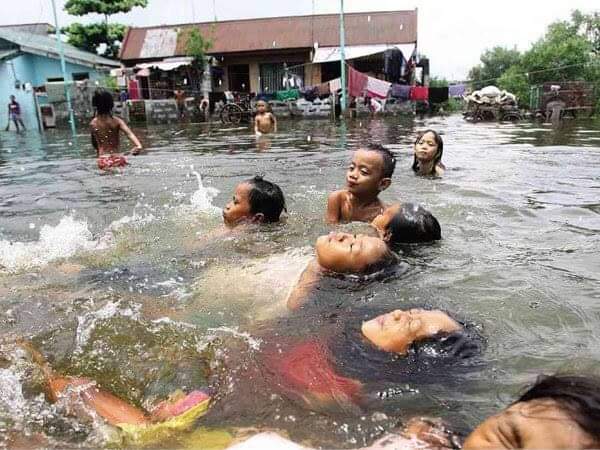
Since rodents are also going out of their hiding places every rainfall, we can still get infectious diseases because of contaminated water or food. So, here are a few steps to prepare ourselves in reducing the risk of leptospirosis in our own homes:
• When making a safe water to drink, boil the water, especially if it has been collected from a source that could be exposed urine from animals or contaminated by floodwater runoff.
• Prevent rodent influx and invasion by keeping food, water and trash in closed containers, and trapping any rodents you see.
• If you are aware that the rodents had a big possibility of successfully accessing your food, avoid consuming the food immediately.
There are a lot of factors that contributes to the reason why all of these transpire. This infectious disease occurs worldwide, but is most common in temperate or tropical climates, and this is a serious hazard for many people who work outdoors or with animals. Since the disease has been associated with swimming and other water activities in contaminated lakes and rivers, the risk is likely greater for those who participate in these activities in tropical or temperate climates. Also, the lack of sanitary waste disposal and increasing rat populations have also contributed to the problem, too, because no one acts upon the problem immediately to prevent the possible diseases to be transmitted again.
The current disasters that we are currently facing here in the Philippines just proved a deeper point on how important preparedness is. Since disasters happens almost everywhere unknowingly, having the knowledge on what to do and preparing for the supplies and other equipments to do it with, increases the chance of limiting the damage or even completely avoiding the harm that might happen. Through advanced planning, vulnerabilities can be identified and rectified. In preparing for the most likely situations, you may find yourself better ready for the unexpected.
Be Informed. Make a plan. Be Prepared.
Author
ALLYZA MAY RODIS
 Safe Life Safe Me